
A request to fix a customer problem often starts in chat. Somebody pastes a screenshot into a channel, another person explains that the same fault affects two systems, and a developer turns the discussion into work. The awkward part is moving the useful context into the right repositories without losing the detail that explains why the change matters.
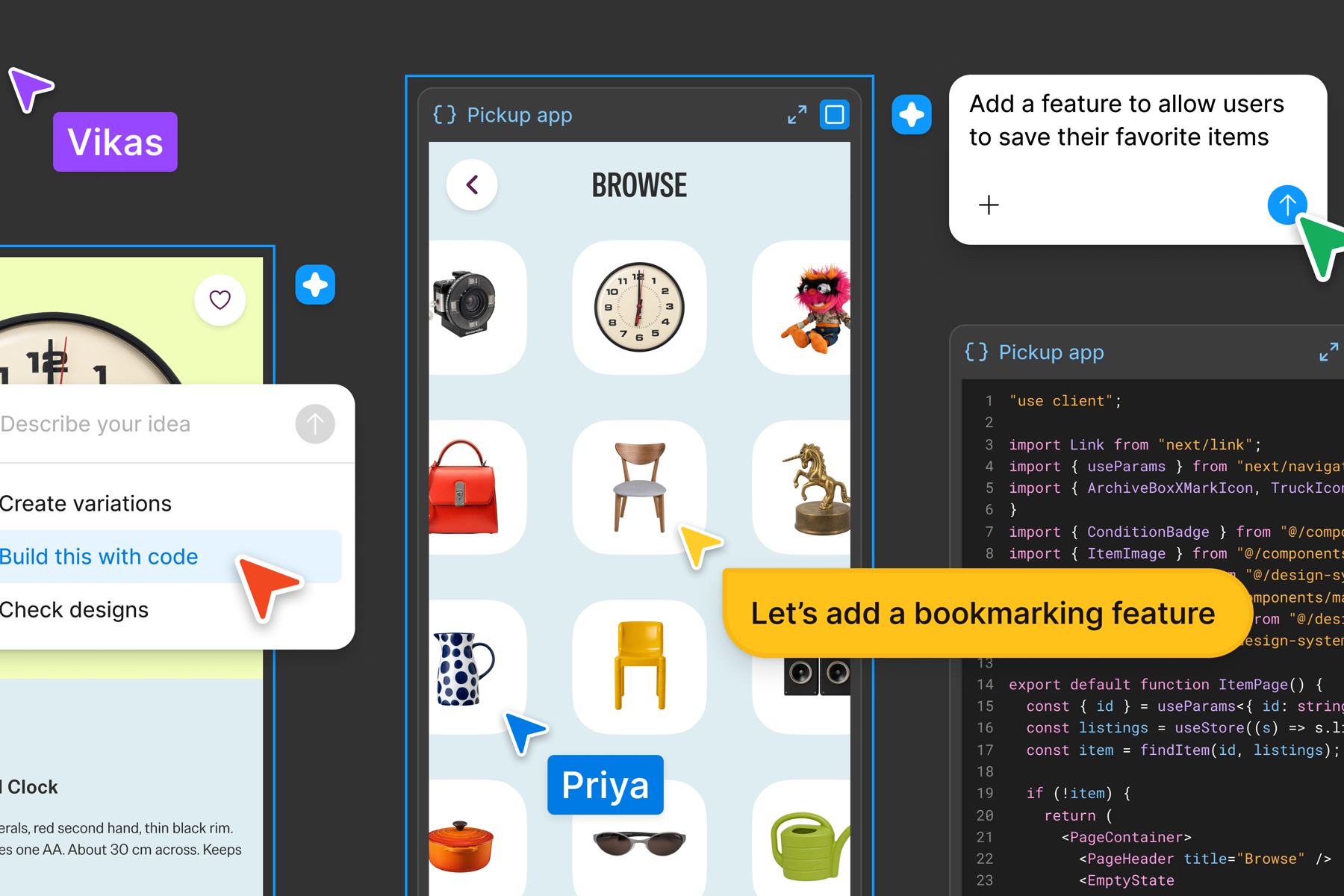
GitHub has now shortened that route. In an update published on 16 October, its integration for Slack and Microsoft Teams gained support for working across multiple repositories in one conversation. GitHub says a user can create issues from a thread, ask for a bug to be investigated across front-end and back-end code, request a fix and pull request, or review open pull requests without switching conversations.
That is a useful change for teams whose software is split across a customer-facing application, an internal service and shared components. It also changes the role of chat. A place used for discussion can become an operational control surface for software work, which makes repository scope, permissions and human review much more important.
The Handoff Has Become Shorter
The old route usually contains several small translations. An operations colleague describes the symptom in Teams. A product owner writes a ticket. A developer works out which repositories are involved, copies the relevant details and starts investigating. If the problem crosses systems, separate issues may be opened and linked. Each handoff can remove context or introduce an assumption.
GitHub's update allows the original thread to remain part of the working context. It also supports moving between repositories within the same conversation and can use shared Slack messages and threads as context. For a small delivery team, this can remove repetitive copying and help a technical person start with the customer's actual symptom rather than a thin summary written later.
The practical gain is clearest when a problem genuinely crosses a boundary. Imagine a distributor with a customer portal and a separate order service. A customer reports that an amended delivery date appears correctly in the internal system but not in the portal. The support team discusses the affected order in Teams and confirms that the issue began after a recent change. The integration can help investigate both repositories, create a tracked issue and prepare a pull request from the same conversation.
That route is quicker, but the useful outcome is not simply that code appears sooner. The team needs a traceable issue, an understood change, appropriate tests and a reviewed release. Chat context can improve the start of the work without replacing the controls needed at the end.
A Conversation Is Not a Complete Specification
Team chat is full of shorthand. People refer to "the portal", "the old rule" or "the customer account" because everybody in the conversation understands the immediate context. Software changes need firmer boundaries. Which portal is affected, what should happen to existing orders, and which records may be changed are details that cannot safely remain implied.
Threads also collect corrections. An early message may identify the wrong cause, while a later reply supplies the accurate detail. If an assistant can act on the conversation, somebody still needs to confirm the final requirement before a code change is accepted. The shortened handoff makes this review more valuable because less friction now separates informal discussion from an executable request.
For the distributor, the operations lead should confirm that the expected behaviour applies only to future delivery-date amendments. A developer should verify which services own the data and whether the portal is displaying a cached value. The resulting issue should state the acceptance conditions in ordinary language. That creates a stable record outside the fast-moving conversation and gives testing something concrete to prove.
Repository Access Needs Deliberate Limits
Multi-repository work is useful because modern business systems rarely live in one neat codebase. The same reach can widen the effect of a vague or mistaken instruction. A person who needs visibility of the portal may not need authority to change the order service, shared authentication or deployment configuration.
The right access model follows the work people are trusted to do. Staff reporting faults may be able to create issues and supply context. Developers may prepare changes in the repositories they maintain. Pull-request approval and deployment can remain with named reviewers. Sensitive repositories can stay outside the chat integration entirely. This is less convenient than broad access, but it keeps a routine support discussion from becoming an accidental route into critical systems.
Repository names and ownership also need to be understandable. If three similarly named services exist because of an unfinished migration, an assistant may expose an ambiguity that already causes trouble for people. Fixing that operating problem is more reliable than expecting every prompt to describe the history perfectly.
Keep the Normal Engineering Checks
GitHub says the integration can make code changes and open pull requests. A pull request is the right boundary because it presents proposed work for inspection rather than quietly treating it as finished. The team can check the changed files, tests, permissions and effect on connected systems before anything reaches customers.
Existing automated checks should apply in exactly the same way as they do to a manually prepared change. If a portal amendment normally requires unit tests, browser tests and a staging review, using Teams to start the work should not create a second, lighter route. Branch protection and required reviewers matter more when the request can originate from a conversational interface used by a wider group.
The original chat thread should remain evidence, not the only record. The issue needs the agreed business behaviour, the pull request needs a clear explanation of the implementation, and the release process needs to show what passed. This separation makes later investigation possible when the conversation has moved on or people remember the request differently.
Test One Real Cross-System Problem
A sensible trial is a contained problem that already creates repeated handoff work. Choose something that crosses two repositories but does not control payments, identity or other high-impact operations. Define who may ask for investigation, who can authorise code changes and who must approve the pull request. Record the starting problem, the accepted behaviour and the tests required before inviting the integration to act.
Measure whether the change reduces time spent copying context and locating the right code, but also inspect the quality of the result. Did the issue capture the final requirement? Were the correct repositories used? Did the proposed change include the relevant tests? Could a reviewer understand why each file changed without returning to the chat transcript? A faster first draft that creates more review and correction is not an operational improvement.
GitHub's update makes a common software handoff more direct. For businesses with several connected systems, that can help support, operations and development work from the same evidence. The valuable version keeps a clear boundary between discussing a problem, proposing a change and approving it for release. Chat can become a better front door to software work, while repositories, reviews and tests remain the authority.
Sources
GitHub Changelog: Multi-repository support and other improvements for GitHub in Slack and Teams