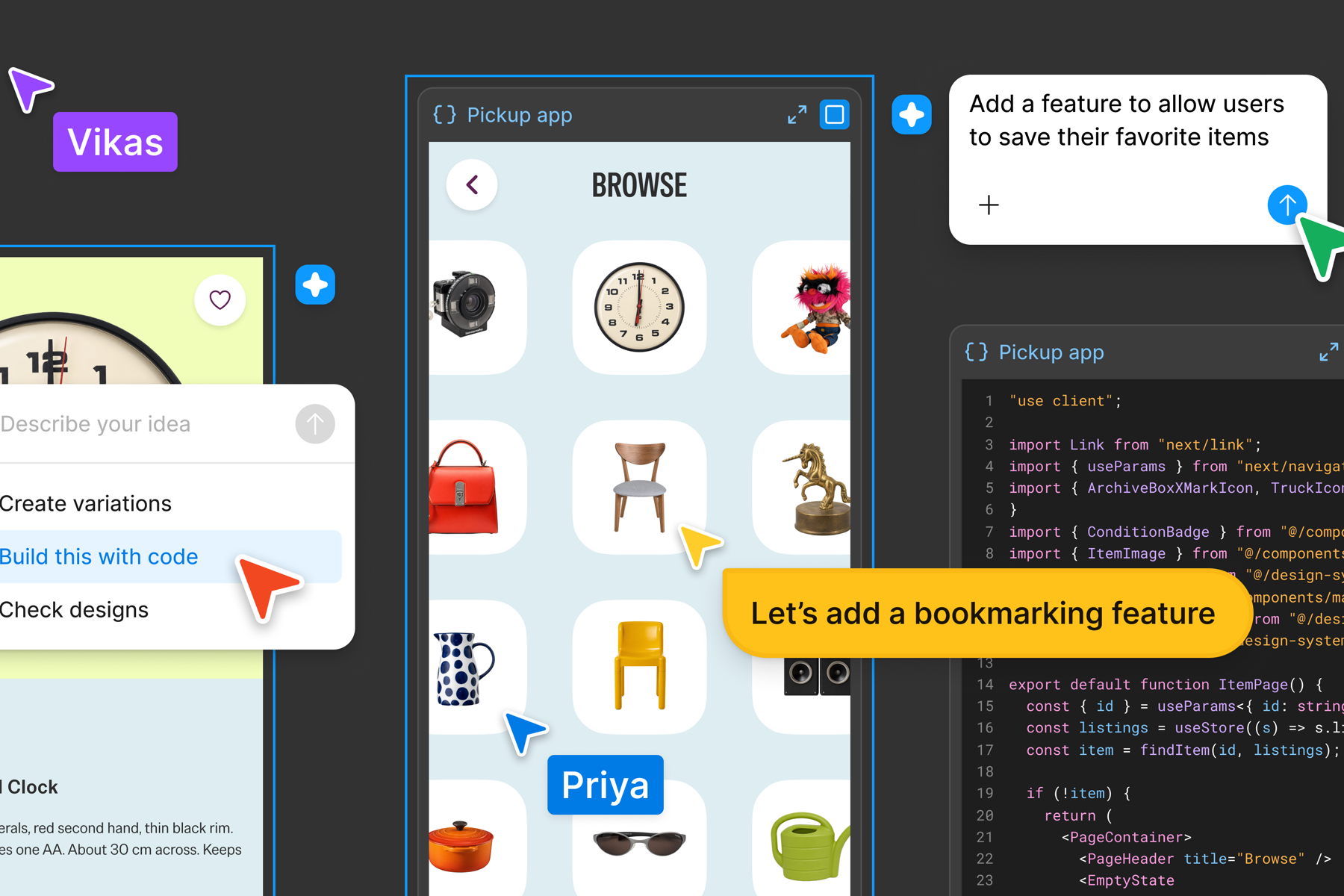

Anthropic has launched a free service that regularly scans open-source software with its strongest AI models. The service, called OSS Scanner, sends enrolled projects a report containing an explanation of each suspected flaw, a proof of concept showing how it could be exploited and a suggested fix where one is available.
That sounds like a story for software maintainers, but the consequence travels much further. Most modern business systems are assembled partly from open-source packages. A booking portal, customer dashboard or internal workflow may use hundreds of direct and indirect dependencies before any bespoke code is added. A flaw found in one widely used component can therefore affect businesses that have never heard of the project behind it.
Anthropic's announcement is useful because it promises to increase the rate at which weaknesses are found. It also exposes the awkward half of vulnerability management: discovery does not tell a business whether it is affected, how urgently it needs to act or whether a rushed update will break something customers rely on.
What Anthropic Has Actually Launched
In its 8 October announcement, Anthropic said OSS Scanner is an opt-in service for open-source projects. Enrolled projects receive periodic scans at no charge. The reports are model-generated and sent without human review, which gets potential problems to maintainers more quickly.
Anthropic is also unusually clear about the limitation. It expects a true-positive rate above 90%, but says reports can contain inaccuracies, including an incorrect severity rating. The service is intended for projects that have enough capacity to work through the findings. Other projects can continue to receive human-verified disclosures through Anthropic's coordinated process.
This distinction matters. A scanner can produce evidence and a proposed patch, but somebody still has to reproduce the issue, judge the exposure, test the change and release it. More capable AI can move the bottleneck from finding problems to deciding which ones matter and fixing them safely.
The announcement forms part of Anthropic's wider Cyber Mission, which also includes work with providers that support power, water, transport and industrial systems. For an ordinary UK business, though, the open-source scanner has the more immediate lesson. The software supply chain is already inside the tools the business buys and builds, even when nobody sees it on an invoice.
A Finding Is Only Useful If You Can Trace It
Imagine a regional service company with a customer portal used to accept bookings, store site details and schedule visits. The portal was built several years ago by an external supplier. It runs reliably, receives occasional feature updates and uses a common web framework plus dozens of smaller packages for authentication, document handling and notifications.
An open-source maintainer receives an OSS Scanner report, verifies a serious flaw and publishes an update. The service company now needs answers that the scanner cannot provide. It needs to know whether its portal uses the affected package, whether it uses the vulnerable feature, which version is live and whether the supplier is still responsible for maintenance. If the package is buried several levels down the dependency chain, the company may not even recognise its name.
Suppose the supplier confirms that the live portal is affected. Updating the package also changes the way uploaded documents are processed. The fix must be tested against real file types, the booking route, existing records and any connection to the scheduling system. A technically correct patch that stops customers uploading a required document is still a business failure.
Ownership is the difference between a useful alert and a week of forwarded emails. One person needs authority to assess urgency, the supplier needs a supported route for producing the change, and the business needs a sensible test and release plan. Customer-facing teams also need to know what to say if the update affects availability. None of this is solved by receiving a longer vulnerability report.
The UK Guidance Points to the Missing Operating Discipline
The National Cyber Security Centre's Software Security Code of Practice guidance recommends that software providers maintain an inventory of third-party components, including direct and indirect dependencies. It also says organisations should identify who is responsible for third-party software, regularly check components for vulnerabilities and be able to deploy updates and carry out remediation.
That is a practical sequence rather than a paperwork exercise. A current dependency inventory lets a team match a newly reported flaw to the systems that actually use it. Named ownership prevents the alert sitting between a developer, supplier and manager. A controlled test and deployment route turns the decision into a safe change. Without those three things, better scanning can simply create a larger inbox.
Businesses buying bespoke software should ask their supplier how dependencies are recorded and maintained. They should know what happens when a serious flaw appears, how quickly the supplier will assess it and whether security updates are included in the support arrangement. If the original developer is no longer available, that gap deserves attention before an urgent patch is required.
The same standard applies internally. A small development team can keep the programme simple, provided it has a repeatable route from alert to decision. The team should be able to identify affected applications, check whether the vulnerable behaviour is reachable, understand the business importance of each system and test the proposed update. High severity alone does not set the complete priority. Exposure, data, customer impact and the safety of the fix all matter.
Use AI Findings as Evidence, Not an Automatic Instruction
Anthropic's disclosure that OSS Scanner reports are not reviewed by people should shape how teams consume them. Model-generated findings should enter a verification queue, not trigger an automatic production change. A proof of concept and suggested fix can shorten investigation, but the receiving team still needs to confirm both against the relevant version and configuration.
This is especially important when an AI-generated patch looks small. A one-line library change can alter behaviour elsewhere, and an indirect dependency update may pull in other versions at the same time. Existing automated tests help, but a business-critical journey also deserves a focused check of the customer and staff actions most likely to be affected.
The useful automation sits around that judgement. A system can match advisories to a dependency inventory, open a tracked task, attach the affected applications, notify the right owner and record the decision. It can prepare a test environment and collect results. People then spend their time checking the risk and approving the release instead of searching several repositories and old supplier emails for basic facts.
Better Detection Raises the Standard for Follow-Through
Free AI scanning could help maintainers uncover important problems earlier and give them a better starting point for a fix. That is valuable progress. For businesses using open-source software indirectly, it also means vulnerability information may arrive faster and in greater volume.
The sensible response is not to treat every model-generated report as an emergency or to assume a supplier has everything covered. Keep a usable record of what your important systems depend on, agree who owns the response and make sure there is a tested route for deploying a change. Then a new finding becomes a manageable piece of work rather than an uncertain scramble.
Birdcage Tech builds and maintains practical business software with clear ownership, controlled releases and automation around the work that should not depend on somebody remembering to chase it.
*Image: Anthropic.*