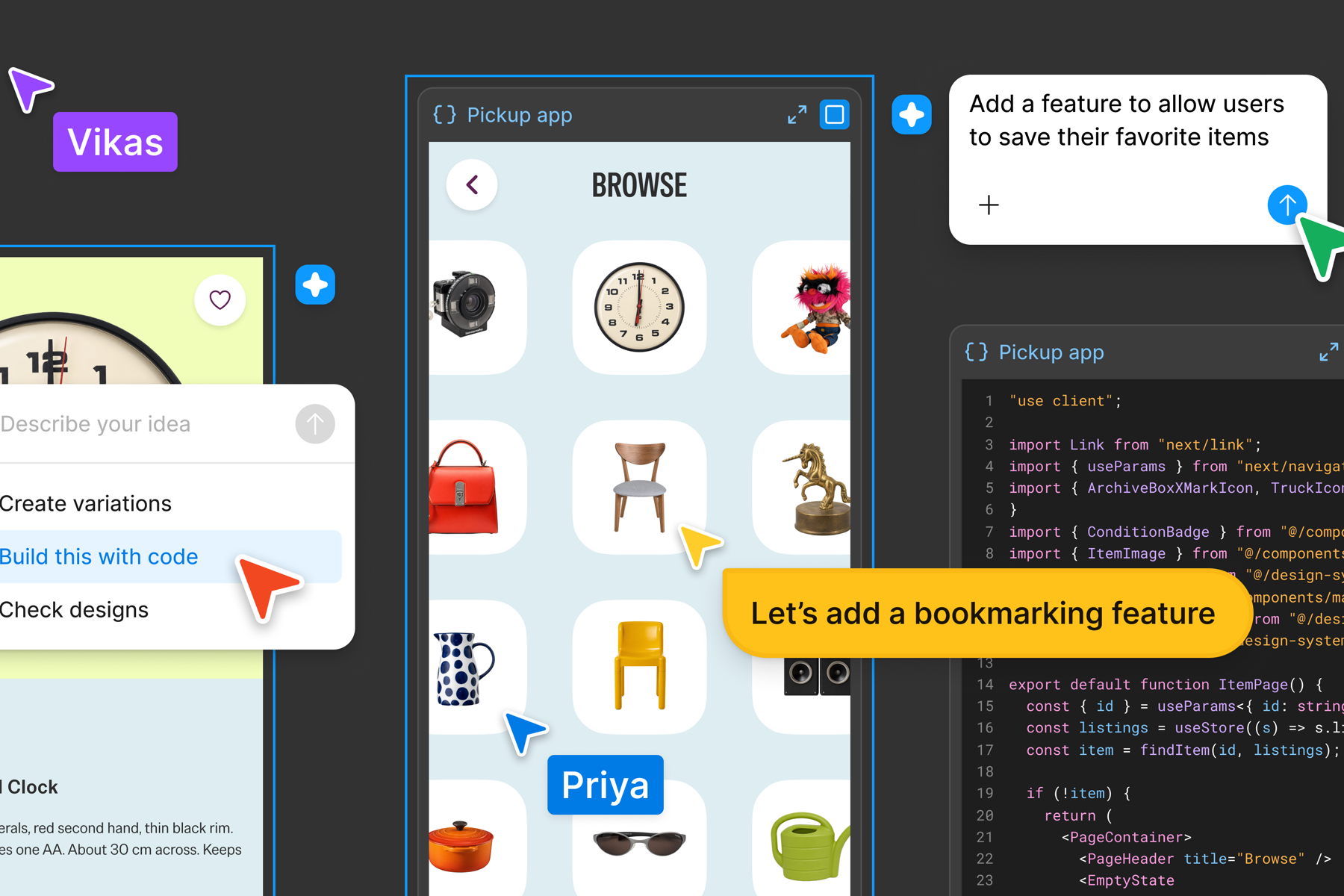

Google Cloud has introduced the Gemini agent, which it describes as a single agent that can answer questions, create content, write and run code, and complete work across business systems. The announcement matters because it moves Google's business AI beyond helping inside one document or chat. It is designed to keep working in the cloud, use tools and reusable skills, connect to systems such as Salesforce, ServiceNow, Slack, Microsoft 365 and Google Workspace, and return finished work where a team already operates.
That is a significant change in the practical shape of workplace AI. A useful agent is no longer limited to drafting an email that a person must copy into another system. It can potentially read the request, find the relevant records, prepare the work, update the right place and leave a trace of what happened. For businesses that still bridge their systems with inboxes and spreadsheets, this could remove a great deal of repeated administration.
It also changes the main implementation risk. When software can take action across several systems, the quality of the prompt is only a small part of the job. Access, identity, approval rules and audit history become part of the process design.
What Google Has Announced
Google says the Gemini agent can run scheduled work, respond to events and continue tasks for hours or days after a user closes their laptop. It can operate through Workspace, Microsoft 365, Slack, command-line tools and third-party applications. The underlying model can also vary by task, with Google saying the agent can route work across Gemini and Anthropic models rather than tying every job to one model.
The most interesting business detail is the connection between tools, skills and context. Tools provide access to systems. Skills describe how a repeated job should be completed. Context and memory help the agent understand the organisation, the people involved and earlier work. In Google Workspace, the agent is intended to work directly inside Gmail, Drive, Docs, Sheets, Chat and Calendar rather than forcing staff into a separate AI application.
Google has also described coworker agents with their own company identity, email address, storage and directory presence. That makes an important distinction possible. Work completed by an agent can be attributed to the agent instead of appearing to have been completed by whichever employee happened to start it.
The announcement includes controls that are meant to make this manageable. Google says each agent can have a distinct identity, role-based permissions and an audit trail. Agent Gateway applies policies to traffic between agents and connected systems, while project-level spending caps can pause work when a limit is reached. These are not decorative enterprise features. They are the foundation required before an agent is trusted with live operational work.
The Practical Opportunity Is a Complete Handoff
Consider a service business where new enquiries arrive by email. Today, an administrator reads each message, searches the CRM for the customer, checks a shared document for service rules, asks an operations manager about unusual work, creates a job in the scheduling system and sends a confirmation. The individual steps are simple, but the handoffs create delay. Missing information causes chasing, the CRM and scheduling system drift apart, and nobody can see why an enquiry has stopped moving.
An agent connected to the inbox, CRM and scheduling system could handle the stable part of that journey. It could identify the customer, collect the relevant account history, check that the required information is present and prepare the job. Routine work could proceed under agreed rules. A request involving a high value, unfamiliar equipment or unclear scope could be sent to the operations manager with the relevant evidence already assembled.
The useful result is not a more polished email. It is a shorter route from a valid request to a confirmed job, with fewer details copied by hand. That outcome can be measured through response time, administration per enquiry, duplicate records, corrections and the proportion of routine work completed without intervention.
This is also where a broad product announcement meets the reality of a smaller business. Google can provide connectors, identities and agent infrastructure, but it cannot decide which service rule is genuinely stable, which customer records are trustworthy, or when a manager should retain judgement. Those decisions belong to the business and need to be made before access is opened.
Treat the Agent Like a New Operational Role
Giving an agent access to every document and system because it may be useful is the wrong starting point. A better approach is to define one role with a narrow outcome. The service-enquiry agent may need to read a shared inbox, view selected CRM fields and prepare a scheduling record. It probably does not need permission to issue refunds, change customer credit terms or browse every folder in Drive.
The distinction between reading, preparing and committing a change matters. Early in a rollout, the agent might assemble a proposed job while a coordinator approves its creation. Once the ordinary cases are reliable, low-risk work can be committed automatically and the approval gate retained for exceptions. This creates evidence from real work without giving the first version more authority than it has earned.
The audit trail must be useful to an operator, not merely present for compliance. A manager investigating a mistake should be able to see what triggered the work, which records the agent consulted, which rule it applied, what it changed and who approved any exception. If the only evidence is a long conversation transcript, resolving a problem may take as long as the manual process did.
Memory deserves the same care. Persistent context can save staff from repeatedly explaining customers, projects and procedures. It can also preserve an outdated rule or carry information into work where it does not belong. Businesses need an agreed source of truth for prices, policies and customer status, plus a clear way to correct or retire remembered information.
Start With One Bounded Process
Google's announcement presents a wide platform, but a wide rollout is not the sensible first purchase for most businesses. Begin with a process that has enough volume to matter, a clear finished result and a manageable exception rate. Record how it works today, including the unofficial spreadsheet and inbox steps, then decide exactly what the agent can read, prepare, change and escalate.
Test the complete route with real but controlled cases. Include missing information, duplicate customers, an unavailable connected system and a request that falls outside the normal rules. Watch what the agent does when it cannot finish. A safe stop with a useful explanation is more valuable than an impressive demonstration that only works when every input is perfect.
The Gemini agent shows where workplace AI is heading: persistent software with its own identity, connected to the systems where work happens. The opportunity is real, especially for teams losing time between email, documents and business applications. The businesses that benefit will be the ones that design the role, permissions and exception route as carefully as they would for any other part of their operation.
If a repeated handoff is slowing your team down, Birdcage Tech can help map the process and build a controlled automation around the systems you already use.