GPT-6 Astra Takes AI Into Professional Design Work
GPT-6 Astra's progress in CAD, 3D modelling and visual software suggests that AI is expanding from code generation into complete professional design workflows.
2026-09-13T13:30:00Z
Coding has been one of the clearest examples of rapid progress in artificial intelligence. Models moved from completing individual lines of code to understanding repositories, building features, testing applications and correcting their own mistakes.
GPT-6 Astra continues that progress, but the most revealing part of the release may be its work in design. OpenAI has demonstrated Astra creating 3D models, operating Blender, building interactive games and turning a house model into a walkable Unreal Engine environment.
These demonstrations suggest that AI is expanding beyond software development into the specialist tools used by designers, engineers and creative teams.
Coding Is Becoming a Mature AI Capability
OpenAI describes Astra as its strongest software engineering model so far. Its score on Terminal-Bench, which tests complex work carried out through a computer terminal, increased from 37.3% for GPT-5.6 Sol to 57.9%.
That improvement is substantial, although the benchmark does not mean software development has been solved. Production systems contain years of decisions, dependencies and unusual behaviour that cannot always be represented in a controlled test. Skilled developers are still needed to set direction, understand risk and recognise when technically plausible code is wrong.
The practical change is that AI can now complete a much larger share of the development process. It can investigate a codebase, implement a change, run tests, inspect the result and revise its work. Coding has become reliable enough in many situations for the leading AI companies to concentrate on a wider challenge: getting models to perform useful work inside other professional environments.
From Image Generation to Design Work
Earlier creative AI tools mainly produced isolated outputs. A user entered a prompt and received an image, a piece of copy or a suggested layout. The result might look impressive, but the model had little involvement in the wider design process.
Astra works differently because it can operate software and respond to what appears on screen. OpenAI says it has stronger visual judgement when building websites, games, presentations and 3D renderings. It can navigate the applications where professional work takes place, create an artefact, inspect the outcome and continue refining it.
Its performance on BenchCAD is particularly striking. The evaluation tests whether a model can reconstruct a 3D object from several visual references by generating CAD code. Astra achieved a 95.9% score for geometric overlap, compared with 83.3% for GPT-5.6 Sol.
OpenAI also showed Astra modelling a house in Blender and transferring it into Unreal Engine 5 as a walkable environment. This is more useful than generating an attractive picture of a building. It creates something that a designer, architect or client can explore, discuss and change.
A person could begin with sketches and brand guidelines, ask Astra to create the first model and then direct revisions inside the same workflow. That could reduce the time between an early idea and something concrete enough for other people to review.
Design Remains a Difficult Problem
The results do not show that AI has mastered design. OpenAI reports a smaller improvement on its internal design evaluation, where Astra scored 50% compared with 47.4% for GPT-5.6 Sol.
That difference matters. Good design depends on judgement, context, restraint and an understanding of the people who will use the finished product. A system can produce technically correct geometry or polished graphics while still creating something confusing, generic or inappropriate.
Astra appears strongest when it has a clear brief, useful reference material and access to the right tools. Human judgement remains essential when deciding what should be created, which constraints matter and whether the result serves its intended purpose.
The immediate value is likely to come from faster iteration. A product designer could create several interactive versions of an idea before committing development time. An architect could give a client an explorable model earlier in a project. A marketing team could produce a consistent first set of campaign assets from one brief, then have specialists refine the strongest direction.
AI Is Becoming an Operator
The broader shift is from AI that provides answers to AI that carries out work.
Coding was an effective starting point because software is structured and can often be tested automatically. Design introduces harder problems because visual quality and usability cannot be reduced to a simple pass or fail result. Astra's progress in this area suggests models are becoming capable of combining technical execution with a degree of visual judgement.
The same pattern will spread through other professions. Models will work inside financial systems, engineering tools, scientific applications and operational software. They will gather information, create working artefacts and respond to the results they produce.
This changes how businesses should assess AI. The opportunity is increasingly found in complete workflows rather than isolated prompts.
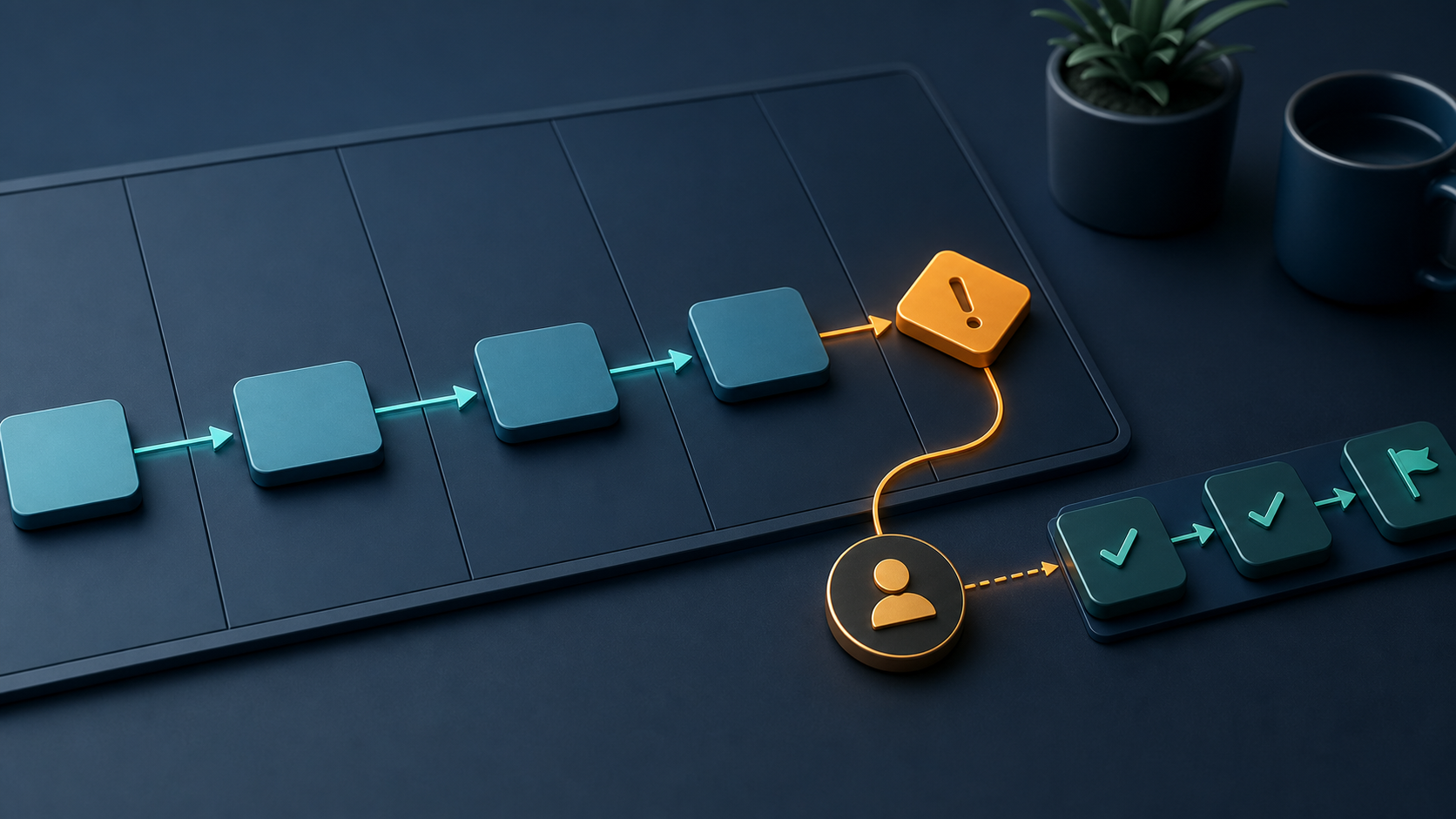
A small design team, for example, may receive a rough product concept in an email, collect existing brand assets from shared storage, create an interactive prototype and prepare several presentation views for a client. Today, people often move that work manually between several applications. An AI operator could connect those stages, while a designer controls the creative direction and approves the finished result.
The risks also become more practical. Businesses need to know which source material the model used, what changes it made and whether someone competent reviewed the output. A polished result can hide weak assumptions just as easily as a poorly written piece of code can hide a serious defect.
What Astra Tells Us About the Direction of AI
GPT-6 Astra does not mark the end of coding or professional design. It shows that AI models are becoming increasingly capable of working across both disciplines.
The important development is their ability to combine reasoning, visual understanding, software operation and repeated execution. This allows them to take part in a professional workflow instead of producing one disconnected output.
For businesses, that means the useful boundary of AI is expanding quickly. Organisations that still view it mainly as a writing assistant are working from an outdated picture. The newer systems can increasingly enter the applications where work happens, produce something usable and improve it in response to feedback.
Coding provided the foundation for that change. Design is becoming one of its clearest new demonstrations. The next stage will be determined by how well businesses combine these capabilities with experienced people, reliable processes and proper review.
Source: OpenAI's GPT-6 Astra announcement and benchmark results