The Next AI Opportunity: Cleaning Up Software Built Too Quickly
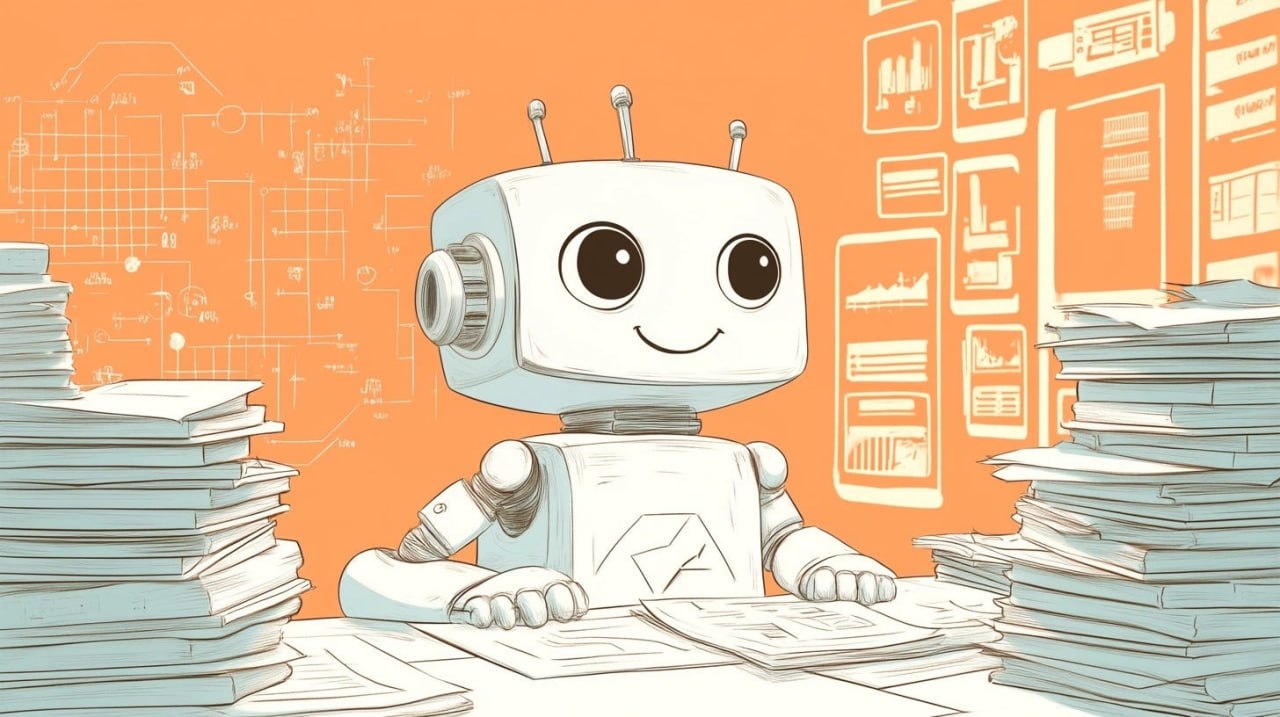
AI makes it easier to create internal tools, scripts and automations quickly. The next business opportunity is cleaning up the fragile software left behind.
2026-05-20T05:00:00Z
AI has made it much easier to create software. A founder can describe an internal workflow and get a prototype running. An operations manager can generate a script to move data between systems. A non-technical team can use AI tools to build dashboards, automations, browser agents, reporting tools and internal apps that would previously have needed a developer from the start.
That is a good thing. More people can now turn ideas into working tools, and many businesses will move faster because of it. The barrier between spotting a problem and building a first version has dropped dramatically. For SMEs especially, that opens up useful opportunities: less waiting, fewer expensive discovery phases and more practical experimentation.
But there is another side to this. The easier it becomes to create software, the easier it becomes to create software that nobody really understands.
A lot of AI-written software works just well enough to be adopted. It solves the immediate problem. It moves the data. It clicks the buttons. It generates the report. It saves someone a few hours and becomes part of the business process before anyone has properly checked how it works, how it fails, where the risks are, or who will maintain it.
That is where the next wave of work will appear. Not just building new AI tools, but cleaning up the tools that AI helped people build too quickly.
Many businesses are going to find themselves with small internal systems that were created at speed and then quietly became important. A spreadsheet macro becomes a reporting pipeline. A browser automation becomes part of customer onboarding. A script written to solve one admin problem becomes something the finance team depends on every week. At first, that feels like progress. Later, when it breaks, nobody is quite sure what changed or how to fix it.
The problem is not that AI-written code is always bad. The problem is that fast software often skips the boring parts that make systems dependable. Naming is inconsistent. Error handling is weak. Credentials may be handled clumsily. Logs are missing. Tests do not exist. The original prompt is gone. The person who generated it cannot explain the edge cases. The system works only when the input looks exactly like the examples it was built around.
That kind of software can still be valuable. It proves there is a real business need. It shows where time is being lost. It gives the team a working example of what they wanted. But it often needs to be turned from a quick fix into a proper business system.
There is a strong business opportunity here because the demand is not theoretical. AI is already helping people create internal tools at a speed that outpaces their ability to maintain them. In the same way that businesses accumulated messy spreadsheets, shadow IT systems and half-documented automations over the last decade, they are now starting to accumulate AI-generated operational software.
The difference is speed. What used to take months to create badly can now be created badly in an afternoon.
That creates a new kind of service need. A business may not need someone to start from a blank page. It may need someone to inspect what already exists, work out what it is supposed to do, identify the risks, tidy the architecture, secure the data flows, add logging, document the process, and decide whether the tool should be repaired, rewritten or retired.
In some cases, the right answer will be cleanup. The automation is doing something useful, but it needs stronger foundations. That might mean restructuring the code, adding tests, improving error messages, moving secrets into a safer place, making the workflow observable, and giving the business a clear handover document. The goal is not to make it elegant for its own sake. The goal is to make it safe enough to keep using.
In other cases, the right answer will be a rewrite. Some AI-generated systems are too brittle to keep patching. They are full of duplicated logic, fragile assumptions and hidden dependencies. They may work today, but every change becomes harder because nobody can tell which part matters. When the business process is important, rebuilding properly can be cheaper than repeatedly rescuing a shaky tool.
This is especially true for browser automation and internal workflow tools. AI can now help people build automations that click through web apps, scrape information, update CRMs, send emails, generate documents and connect services together. These tools can create real value, but they also sit close to sensitive business processes. If they fail silently or act on the wrong data, the damage is not just technical. It can affect customers, invoices, compliance, reporting and trust.
The businesses that benefit from AI-generated software will not be the ones that create the most tools. They will be the ones that turn the useful ones into maintained systems. That means treating quick prototypes as a starting point, not the finished product.
A sensible pattern is beginning to emerge. Let AI help create the first version quickly. Use that version to prove the workflow and understand the business value. Then bring in proper engineering judgement before the tool becomes critical. Check the failure modes. Clean up the structure. Add observability. Secure the credentials. Write down how it works. Decide who owns it. Make sure it can survive real-world data and normal business change.
This is not glamorous work, but it is valuable work. It reduces operational risk. It protects the time saved by automation. It prevents small internal tools from becoming hidden liabilities. It also helps businesses avoid throwing away good ideas just because the first version was messy.
There is also a commercial opportunity for service providers who understand both sides: the speed of AI-assisted development and the discipline of production software. Businesses will need help translating rough tools into reliable systems. They will need someone who can look at an AI-generated script and understand the business workflow behind it. They will need someone who can decide whether to tidy, harden, rewrite or replace it.
For SMEs, this will become increasingly important. Smaller teams often adopt practical tools quickly because they feel the operational pain directly. They do not always have internal software teams to review what has been built. That means the first sign of a problem may be when an automation stops running, a report looks wrong, or nobody can change the tool because nobody understands it.
Sound familiar?
If your business has an AI-generated script, automation, internal tool or workflow that is useful but fragile, Birdcage Tech can help turn it into something safer and more maintainable. That might mean reviewing what you already have, cleaning it up, adding proper logging and documentation, or rewriting it properly where the original version is basically AI slop.
The opportunity is not just to build faster. It is to build faster without leaving the business with systems it cannot trust. That is where the next wave of AI software work will be: not replacing developers, but creating more demand for people who can turn quick AI output into reliable business infrastructure.